

By 9 a.m., a product launch is featured in a major publication; by noon, the product is the subject of competitors’ comments, and social reactions have altered the tone of the story.
If your PR report only reads “27 brand mentions,” you’ve got the activity, but not the story.
This is why earned media monitoring in 2026 isn’t solely about collecting press coverage. PR teams should know where stories start, how sentiment shifts, where it is important to be heard, and if they are gaining share of voice.
Comprehensive social listening and media intelligence platforms integrate PR monitoring with brand sentiment analysis, competitor tracking, and social listening to enable teams to convert coverage into action.
Let’s take a look at the top 7 Earned Media Monitoring tools for PR teams in 2026.
What Should an Earned Media Monitoring Tool Actually Do?
The ultimate goal of Earned Media Monitoring should be to enable PR teams to answer four questions:
- Did we get noticed?
Track relevant coverage and brand mentions. - What did the coverage mean?
Analyse sentiment, context and narrative. - How did we perform against competitors?
Measure visibility and share of voice. - Did the coverage create value?
Connect exposure with audience response and communication outcomes.
This matters because earned media value should not be treated as one vanity number. A small number of highly relevant positive articles can be more valuable than hundreds of low impact mentions. Here is a quick glance at all tools before exploring them in detail
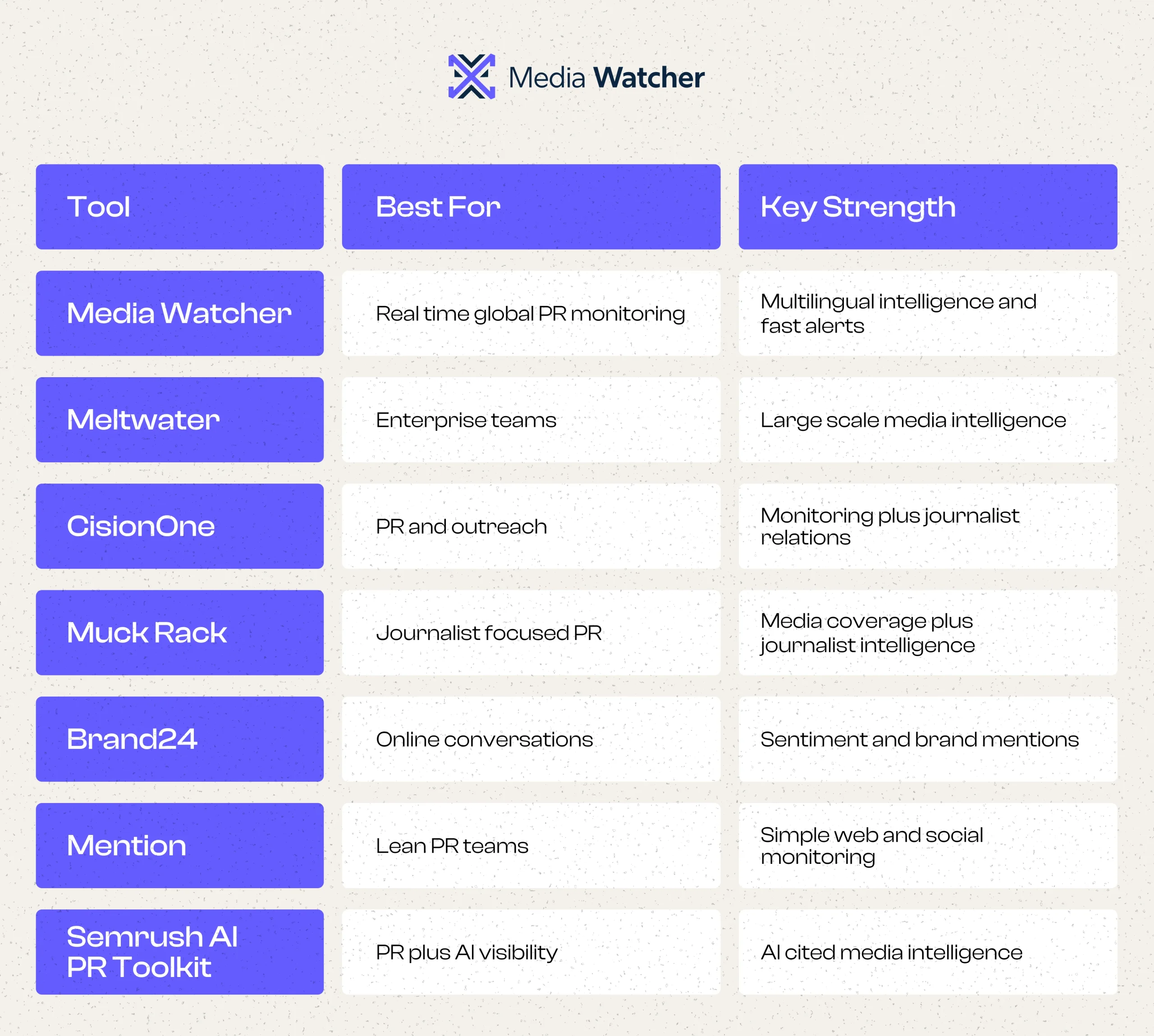
1. Media Watcher: Best for Real Time Media Intelligence
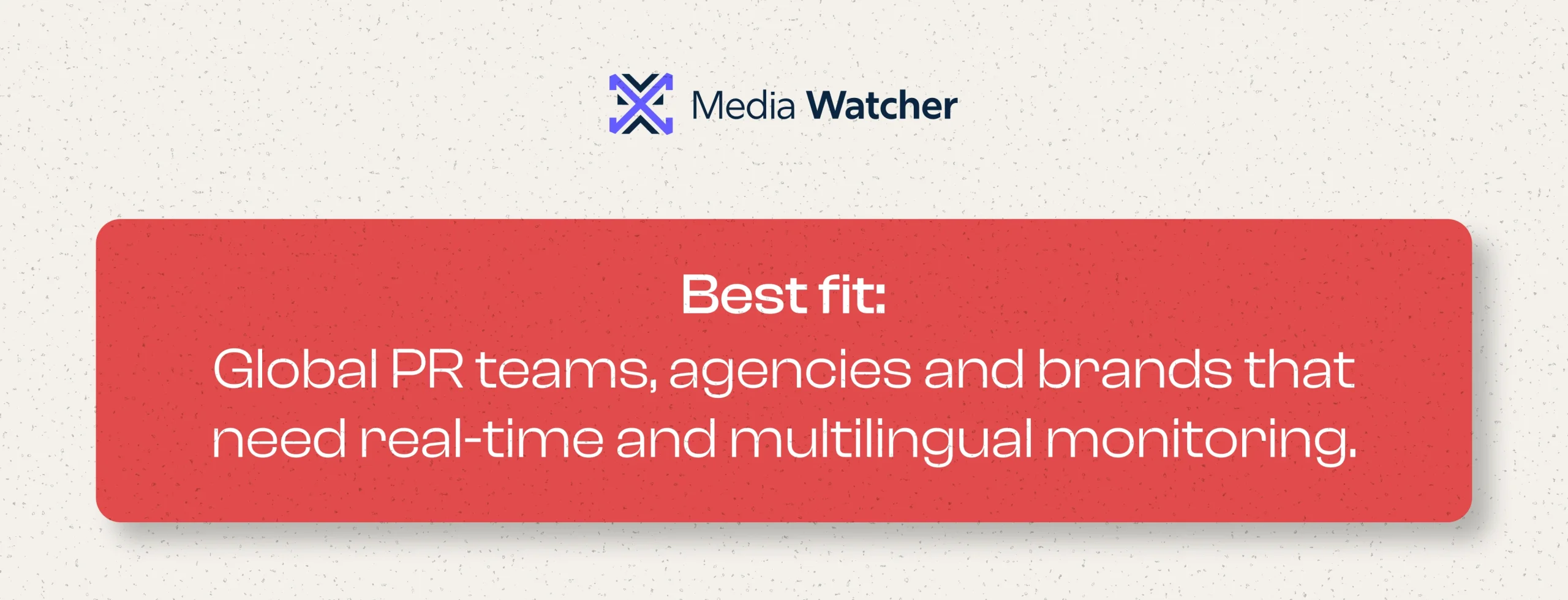
Media Watcher takes a broader media intelligence platform approach to PR monitoring.
It monitors more than 100,000 sources across 80+ languages and 235+ regions, covering news, social media, forums, podcasts and broadcast sources. It also supports sentiment analysis, share of voice and real-time alerts.
Why it stands out
PR teams can track:
- Brand mentions
- Competitor coverage
- Brand sentiment analysis
- Share of voice
- Multilingual narratives
- Sudden spikes in media activity
Imagine a fintech brand launching a new service in London. The first articles are positive. A few hours later, a regional publication raises a regulatory concern. Social discussions begin quoting that article instead of the original announcement.
A normal clipping report shows what happened. Media intelligence helps the PR team see which version of the story is winning while the conversation is still developing.
2. Meltwater: Best for Enterprise Communications Teams
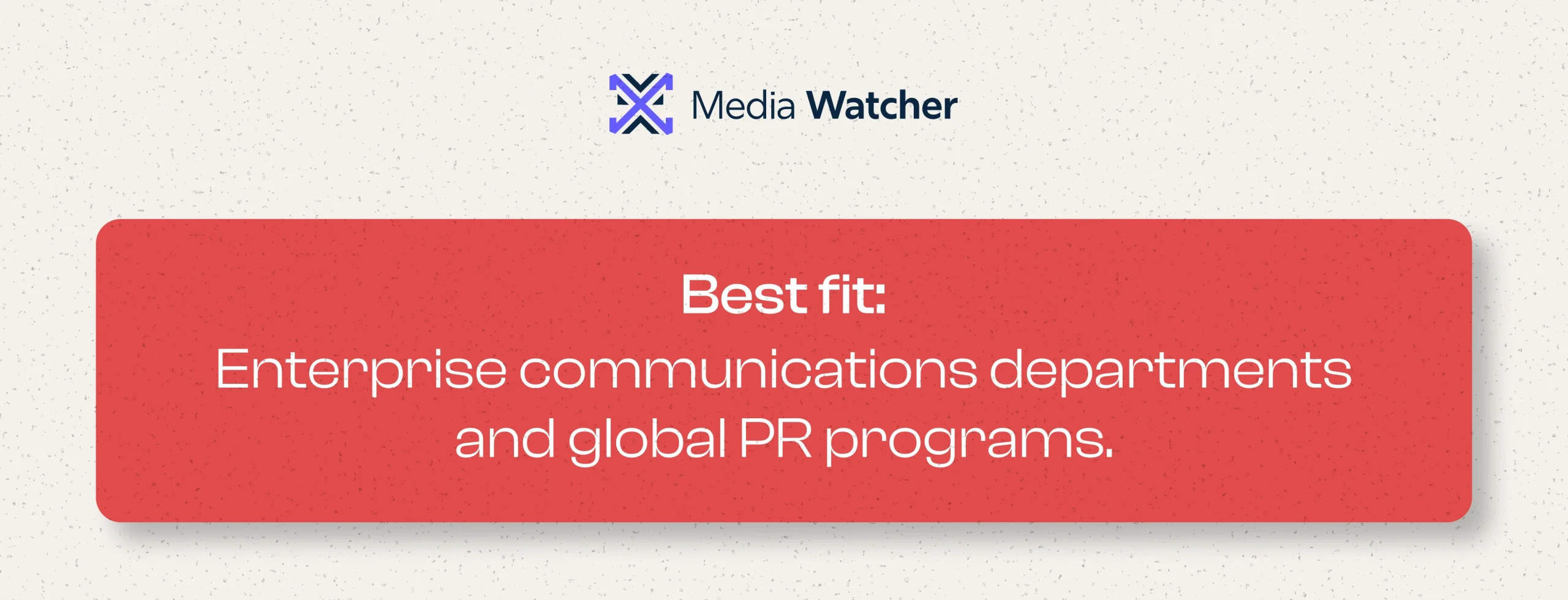
Meltwater combines media monitoring, social intelligence, reporting and competitive analysis. Its strength lies in helping large communications teams make sense of high volumes of media coverage across regions.
For example, an automotive company launches the same campaign in the US, Germany and Singapore. US coverage focuses on price. German publications focus on sustainability. Singapore coverage focuses on technology.
A single “positive coverage” metric would hide those differences. Meltwater is useful when PR teams need to compare how the same story performs across markets.
3. CisionOne: Best for PR Monitoring and Journalist Outreach
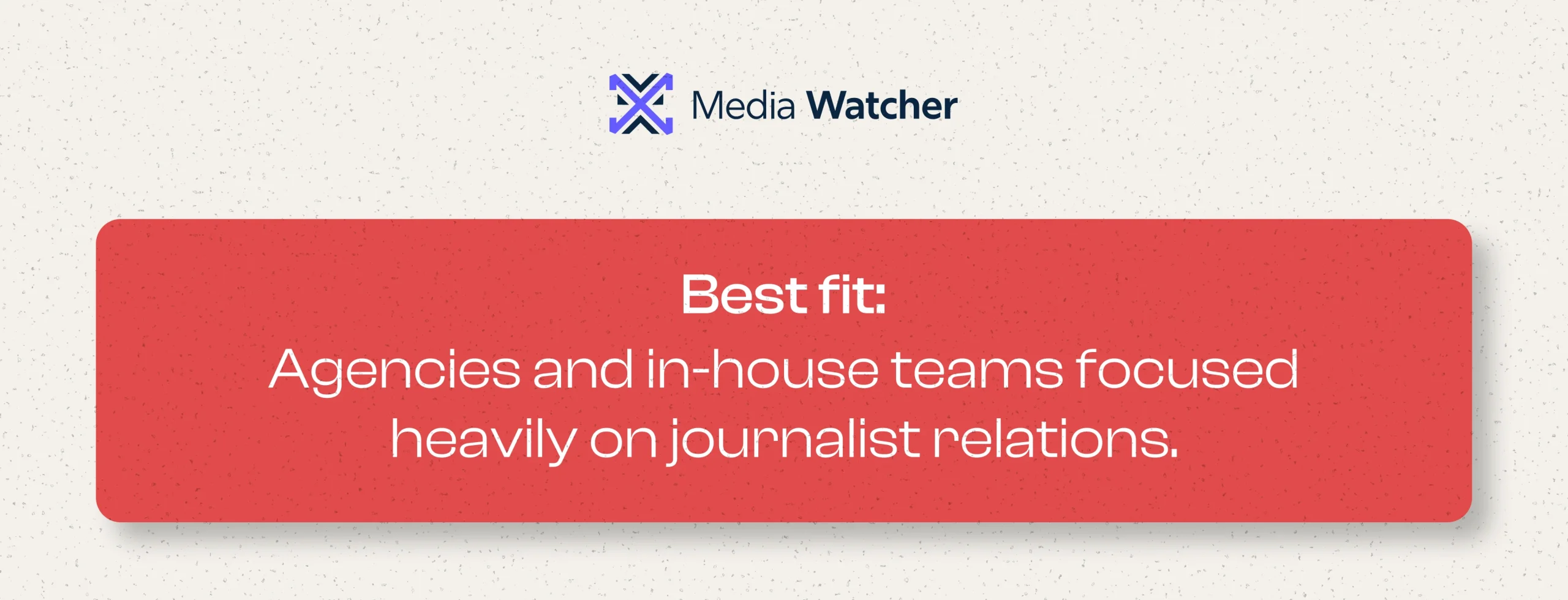
CisionOne combines media monitoring with journalist discovery, media databases and outreach. That means teams can move from:
Who covered us? To: Who else should we pitch? without switching between separate systems.
For instance, a cybersecurity company receives unexpected coverage after publishing a research report. The PR team can identify the article, see who wrote it and then discover other journalists covering similar security topics. The value is not just measuring the mention. It is extending the media opportunity.
4. Muck Rack: Best for Journalist Focused PR Teams
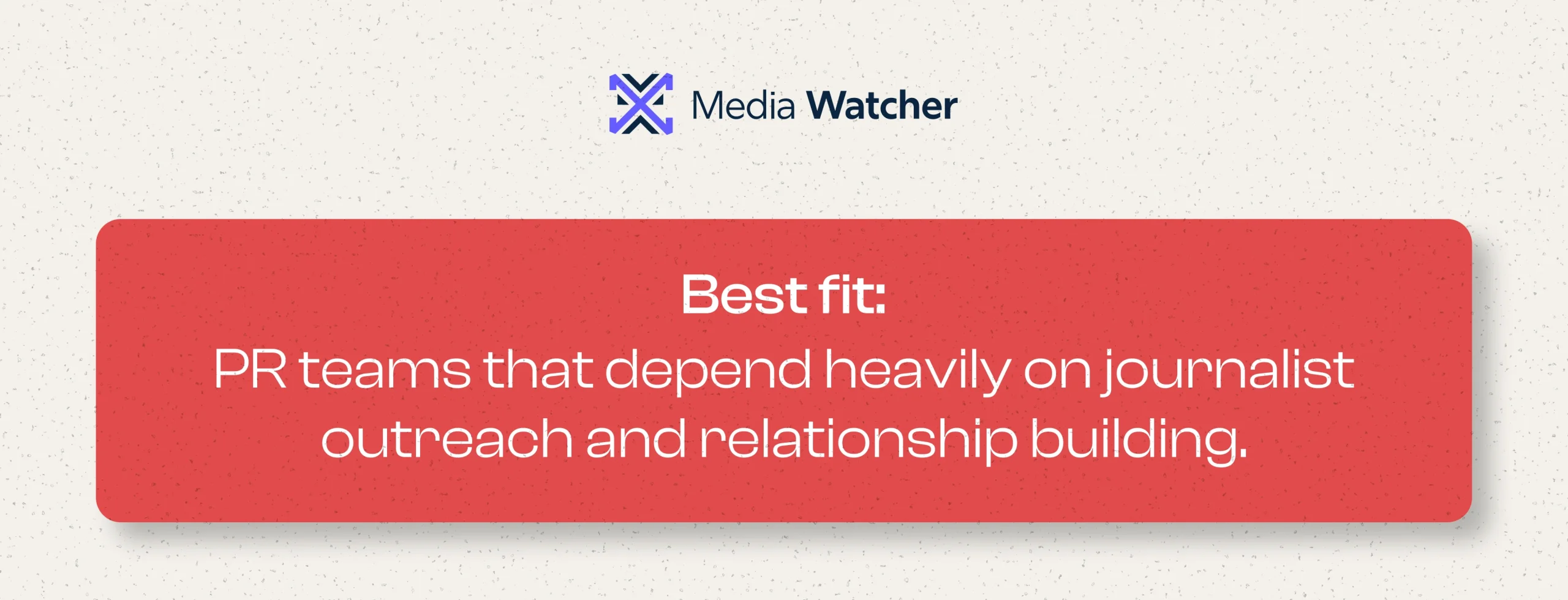
Muck Rack combines media monitoring, reporting and journalist research. Its strength is helping PR professionals understand not just where coverage appeared but who created it.
For example, a B2B software company earns eight articles following a funding announcement. Six are short rewrites. Two are detailed pieces from respected industry journalists. All eight are brand mentions, but those two journalists may offer far greater long-term PR value.
Muck Rack is useful when media relationships matter as much as raw coverage volume.
5. Brand24: Best for Brand Mentions and Sentiment
Brand24 sits between media monitoring and social listening. It helps teams track online mentions, sentiment, reach, share of voice and changes in conversation volume.
For instance, a food brand receives positive editorial coverage for new packaging. The article looks like a win. But social discussions around the story begin criticising the environmental impact of the packaging.
Earned media monitoring tells you what the publication said. Social listening reveals what audiences did with the story afterwards. That combination can change how the PR team responds.
6. Mention: Best for Lean PR Teams
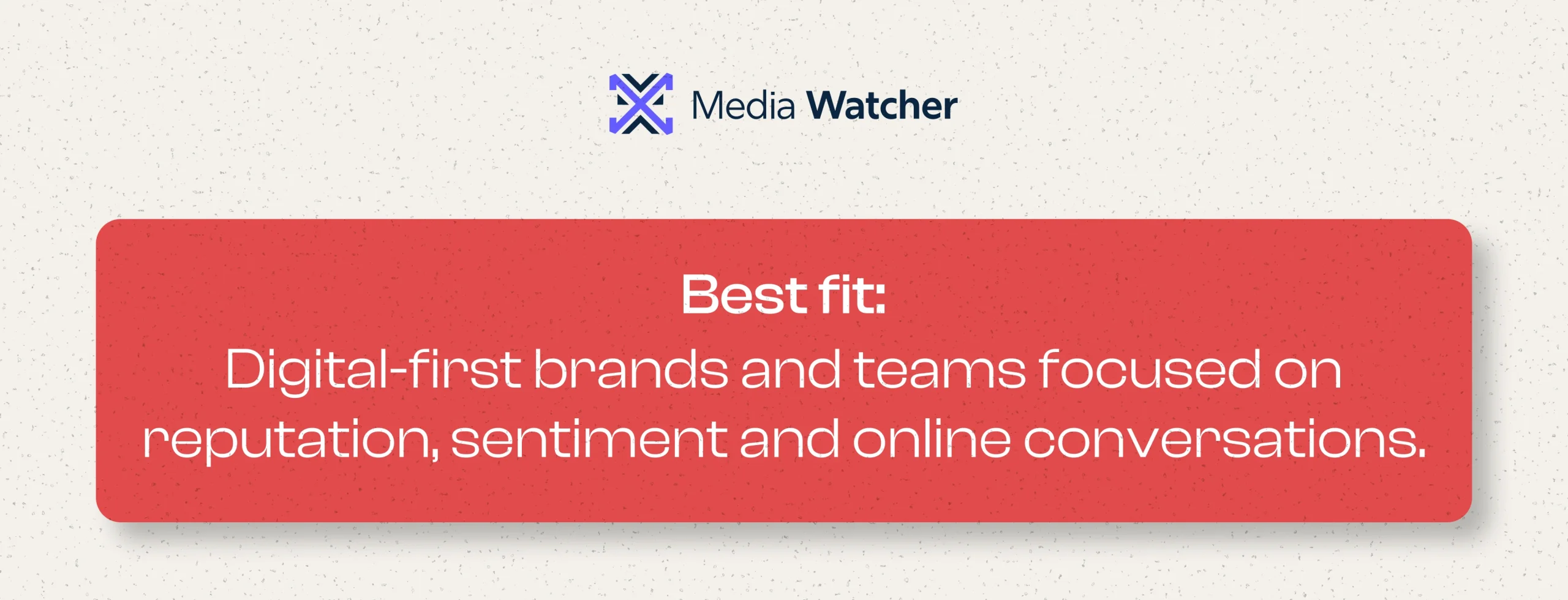
Mention tracks conversations across websites, news, blogs, forums, reviews and social platforms. It also supports sentiment analysis, competitive monitoring and share of voice.
For Example: A startup PR manager may simply need to know:
- Did the press release generate coverage?
- Was sentiment positive?
- Did competitors receive more attention?
- Are mentions suddenly increasing?
For smaller teams, usability often matters more than having the longest feature list.
7. Semrush AI PR Toolkit: Best for PR and AI Visibility
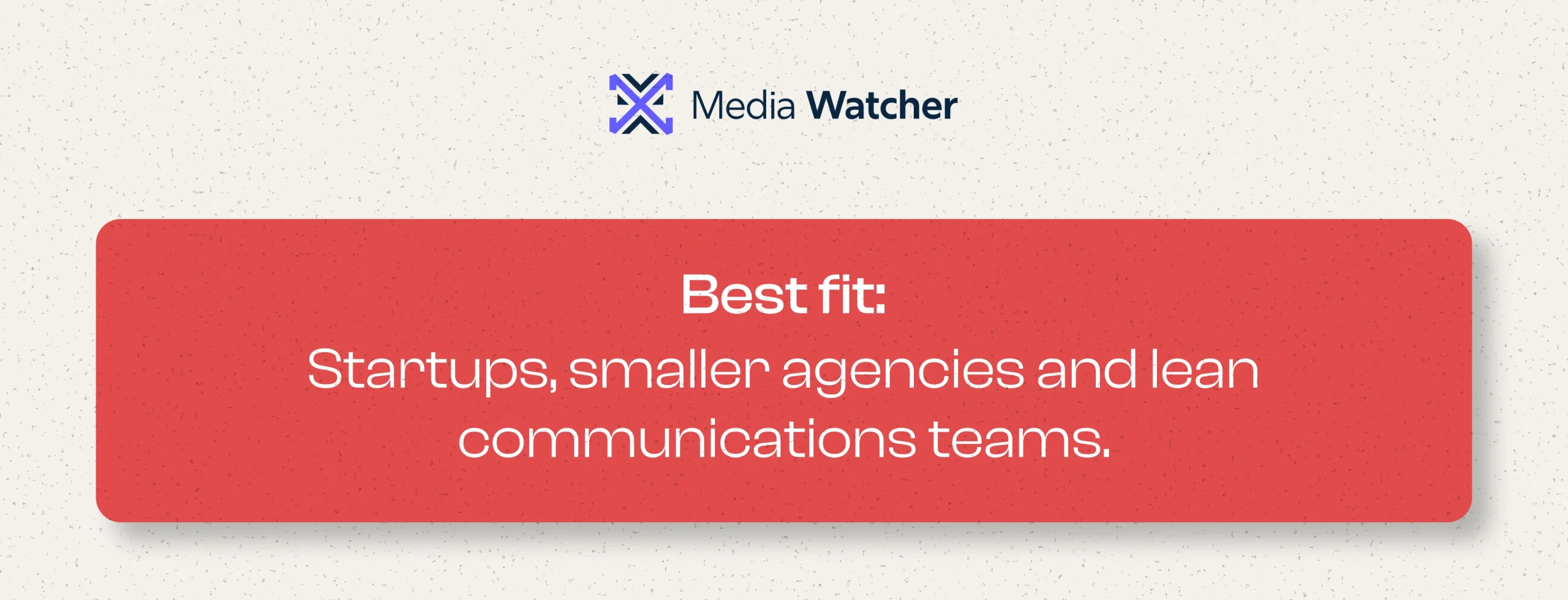
The Semrush AI PR Toolkit, formerly Prowly, combines media monitoring, journalist discovery and PR outreach. Its more distinctive 2026 angle is helping teams understand which publications may influence AI-generated answers.
For Instance, two publications cover your company. Publication A drives more immediate traffic, while publication B is frequently cited by AI platforms in answers related to your industry. The traditional PR reporting may favour Publication A. But a team thinking about future search and AI visibility may see strategic value in Publication B.
Earned Media Monitoring vs Social Listening
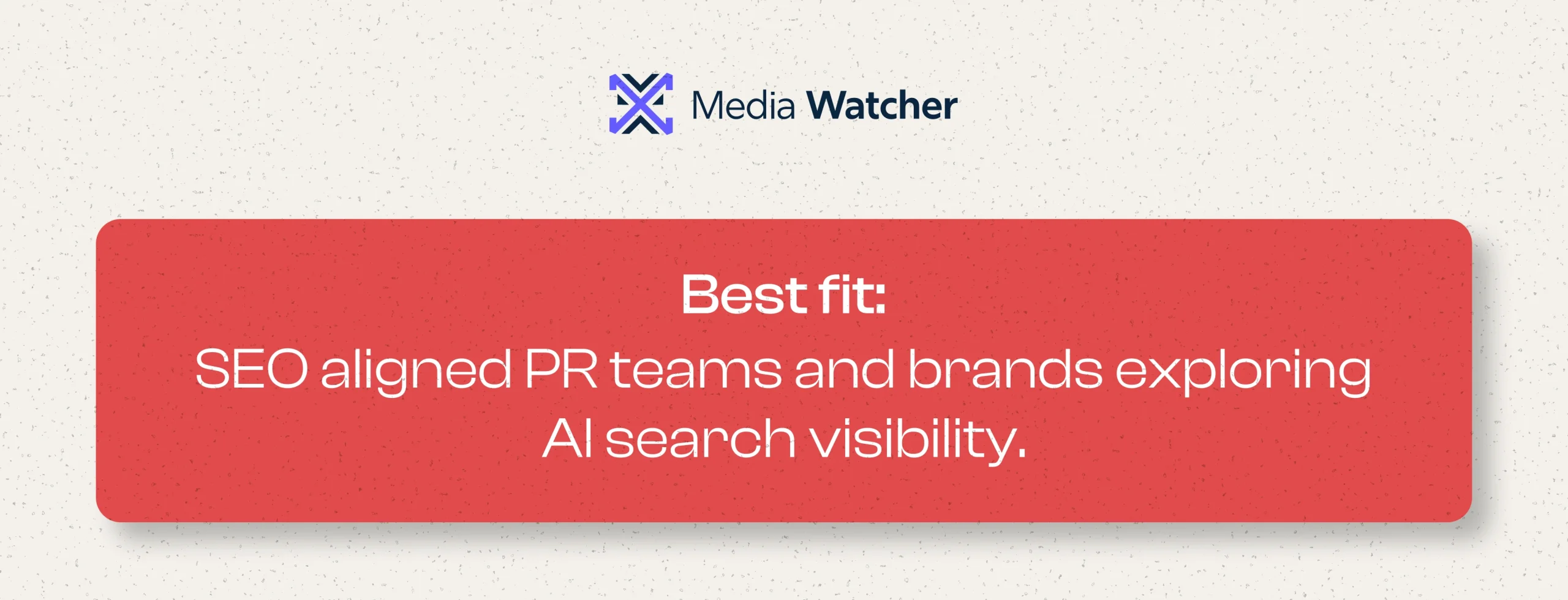
These terms overlap, but they are not the same. Earned Media Monitoring focuses primarily on third party coverage such as news, editorial mentions, podcasts and other independent media.
Social listening focuses more on audience conversations across social networks and online communities.
For example, if a newspaper publishes a positive review of a new airline route, Earned Media Monitoring captures the article.
If travellers later criticise the route pricing across social media, Social listening captures the audience reaction. Modern PR teams often need both.
How Should PR Teams Measure Earned Media Value?
There is no single metric that fully captures earned media value. A stronger framework combines:
- Coverage Quality
Was the brand central to the story or only mentioned? - Brand Sentiment Analysis
Was the tone positive, neutral or negative? - Message Pull Through
Did journalists communicate the message the campaign intended? - Share of voice
How much visibility did the brand earn compared with competitors? - Source Relevance
Did coverage appear in publications the target audience trusts? - Audience Response
Did engagement, search activity or brand perception change?
The goal is not to make PR reporting more complicated. It is to stop treating every mention as equally valuable.
Which Earned Media Monitoring Tool Should You Choose?
The right earned media monitoring tool should make it easier to find important coverage, understand what it means and act on it quickly.
Look for a platform that offers broad media coverage, real time alerts, accurate brand mention tracking, sentiment analysis, competitor monitoring and share of voice measurement. Strong reporting and easy to use dashboards are also important because PR teams need to turn media data into clear insights for stakeholders.
If your brand operates across multiple markets, multilingual monitoring and regional coverage should also be a priority. For teams managing fast moving reputational issues, speed and alert accuracy matter even more.
Ultimately, the best tool is the one that helps your team move beyond counting mentions and understand which coverage matters, how audiences are responding and where your brand stands in the wider media conversation.
Turn Earned Coverage Into Media Intelligence With Media Watcher
Media Watcher allows PR teams to track brand mentions, sentiment, competitors, and share of voice in over 100,000 sources, 80+ languages and 235+ regions.
Rather than coverage being just another link in a monthly report, teams will be able to see which stories are resonating and how the narratives are evolving. Monitor the coverage. Understand the narrative. Do it when it counts. Book a demo today!