

Customers reveal their thoughts in reviews, support tickets, social posts, surveys, news conversations, online communities, and more. The challenge is how to make that constant flow of language insightful, before it turns into churn or a reputation issue. The price of missed negative sentiment can be significant.
According to Qualtrics XM Institute, 47% of bad customer experiences result in customers reducing their spending.
Sentiment analysis can interpret the feelings expressed in these discussions. Modern platforms move beyond positive, negative, and neutral classifications to detect topics, intent, emotions, and experiences that shape customer opinion.
The right sentiment analysis tools can guide marketing, CX, product, and communication teams to understand why and how things have changed and what to do next.
Top Ten Sentiment Analysis Tools in 2026
Here is a list of the top real-time sentiment analysis tools:
1. Media Watcher
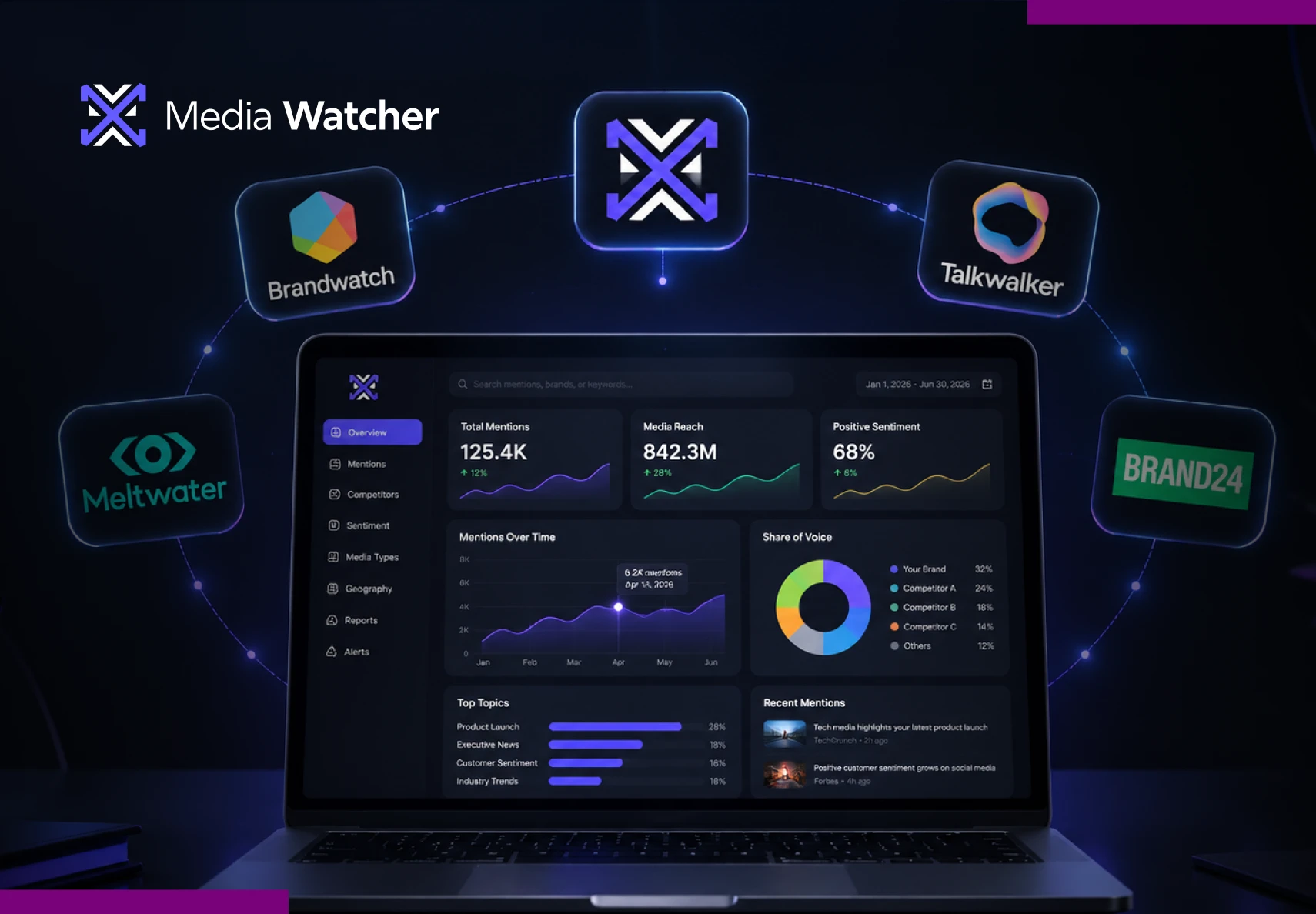
Media Watcher helps organizations understand public opinion across online news, social media, and wider digital conversations. Its consumer intelligence capabilities combine conversation monitoring, sentiment tracking, and audience analysis.
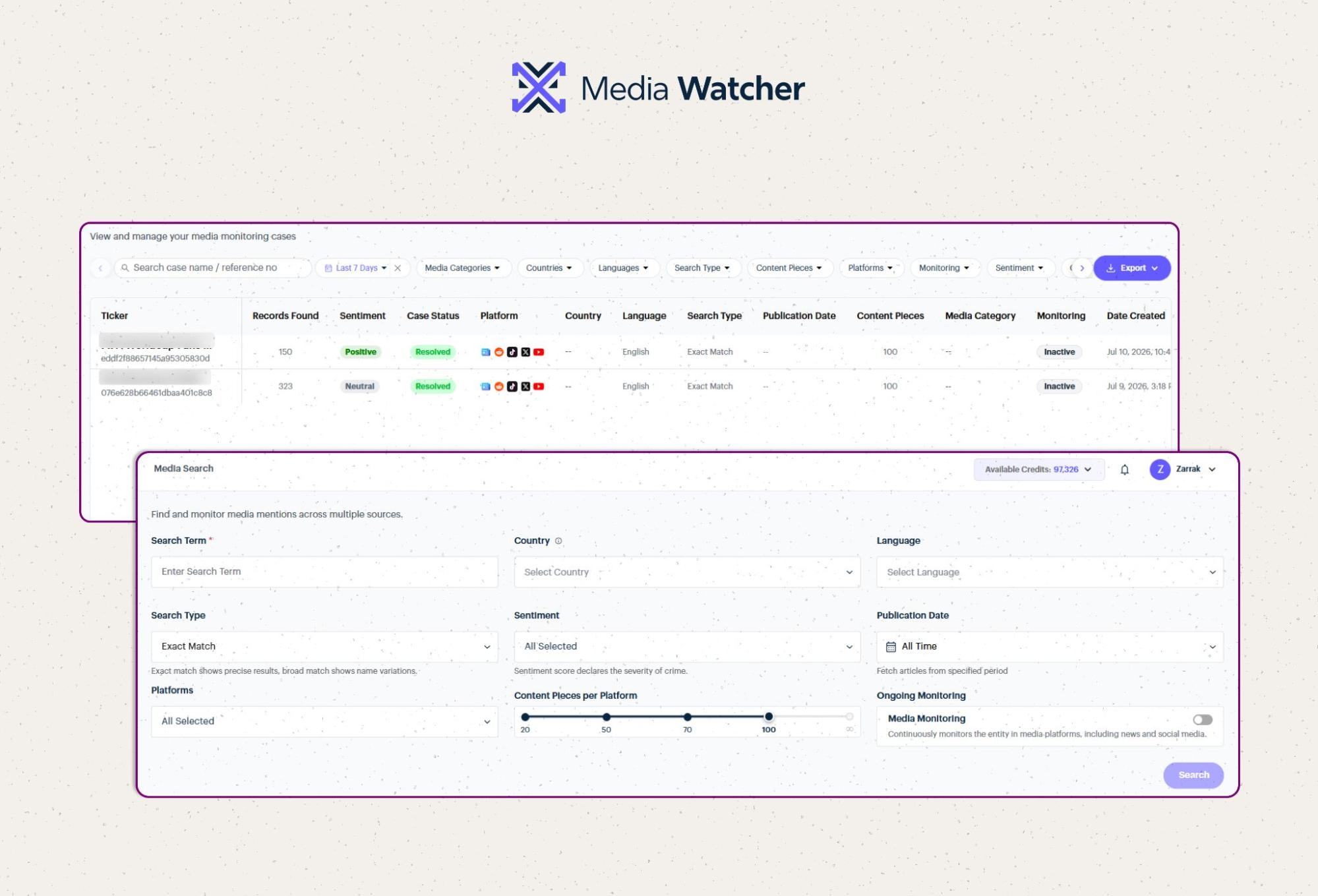
Teams can analyze sentiment by topic, region, language, and source, and set up alerts for significant shifts before they grow into bigger reputation problems.
This makes Media Watcher an optimal choice for real-time sentiment analysis, particularly for international brands that want to pinpoint emotional shifts and understand the stories that drive them.
2. Brandwatch
Brandwatch is a consumer intelligence tool for large-scale social listening and research. It enables brands to coordinate online conversations, track competitors, and study shifts in customer behavior.
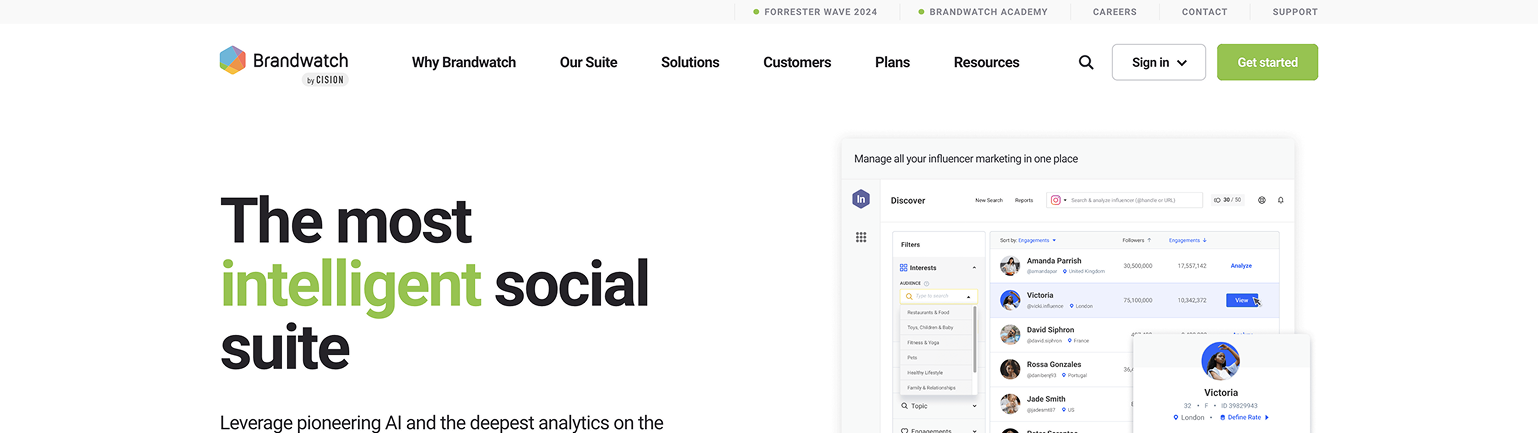
Its listening product combines sentiment analysis with audience insights, crisis monitoring, and AI alerts. It is particularly valuable when researchers need historical conversations, detailed segmentation, or comparisons across markets.
Its analytical depth makes it one of the best sentiment analysis tools for mature global insight programs.
3. Qualtrics Text iQ
Qualtrics Text iQ is designed for businesses that collect customer feedback through surveys and experience management programs. It converts open text responses into topics and sentiment scores that can be added to customer experience dashboards.
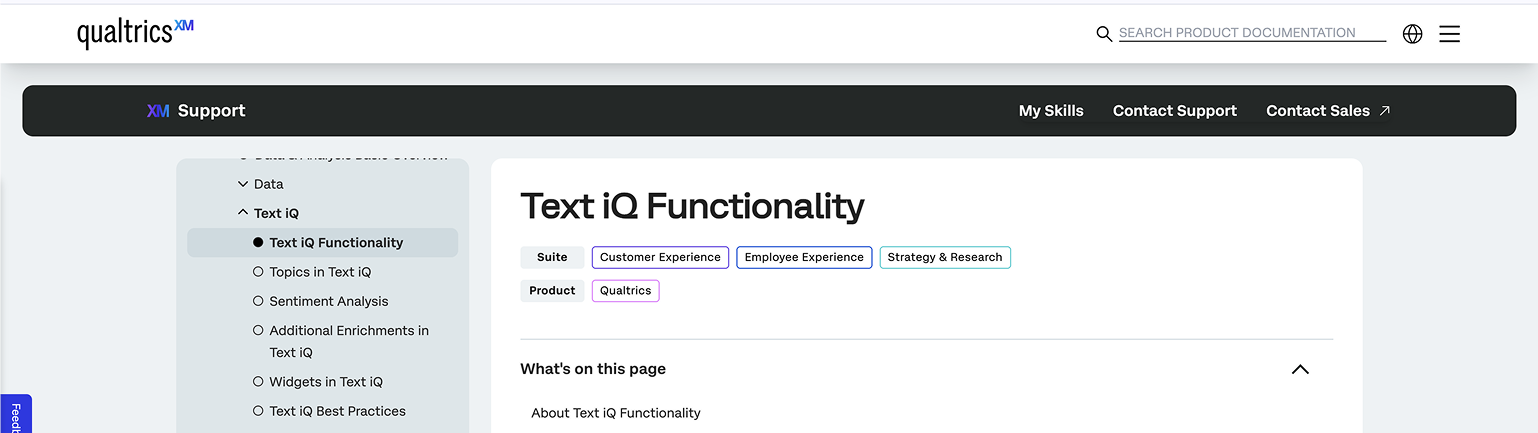
The sentiment analysis software calculates overall sentiment for a response and topic level sentiment for individual subjects.
This matters because a customer may like a product while disliking its delivery, pricing, or support. Qualtrics is therefore well-suited to structured voice of customer programs.
4. Lumen by Talkwalker
Talkwalker is now known as Lumen by Talkwalker. It integrates social listening, media monitoring, and competitive intelligence for marketing, PR, and insights teams.
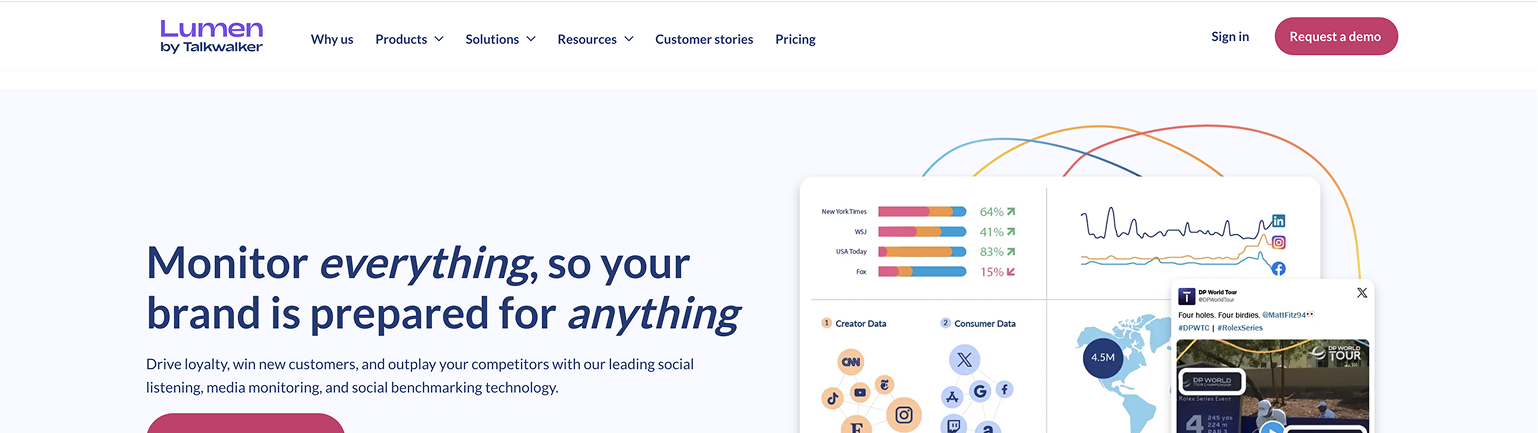
Always-on sentiment monitoring enables brands to detect reputation risks, identify key influencers, and track shifting customer sentiment. The sentiment by topic, region, and language is also available.
Lumen is a useful option for global businesses seeking brand sentiment analysis tools that connect social discussions with broader media coverage and competitive context.
5. Chattermill
Chattermill brings feedback from surveys, reviews, support interactions, social channels and other touchpoints into a unified customer intelligence environment.
Its value lies in connecting sentiment with themes and business outcomes. Instead of only showing that customer opinion declined, it helps teams investigate which experiences contributed to the change.
Topic level analysis can also reveal negative reactions hidden inside positive ratings. Among AI sentiment analysis tools, Chattermill is particularly relevant for customer experience and product teams investigating satisfaction, retention, and churn.
6. Meltwater
Meltwater combines social listening, news monitoring, forum coverage, and media intelligence. It helps communications and marketing teams track brand perception, benchmark competitors, and detect changing narratives.
Chattermill brings feedback from surveys, reviews, support interactions, social channels and other touchpoints into a unified customer intelligence environment.
Its value lies in connecting sentiment with themes and business outcomes. Instead of only showing that customer opinion declined, it helps teams investigate which experiences contributed to the change.
The platform offers AI powered sentiment analysis, trend detection, and alerts for conversation spikes or important events. Its reporting tools are also useful for communicating findings to executives and stakeholders. Meltwater is a strong option for organizations that want social and earned media intelligence within one workflow.
7. Sprout Social
Sprout Social combines publishing, engagement, customer care, analytics and social listening. Social teams can identify a sentiment issue and respond without switching between unrelated platforms.
Its listening features let users sort feedback by sentiment, keyword, or campaign and present results through dashboards. Teams can also manually reclassify messages when automation misunderstands context.
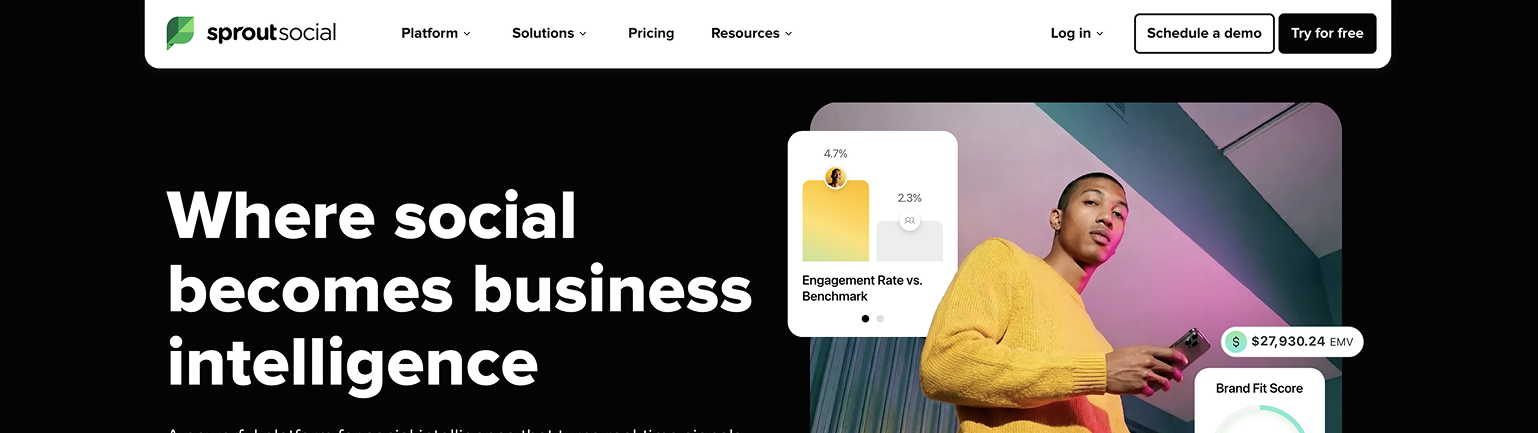
This is useful because sarcasm, slang, and brand specific language can challenge even advanced models.
8. YouScan
YouScan offers social listening with a strong focus on visual and audience intelligence. It helps brands analyze written mentions and understand how products or logos appear in user generated content.
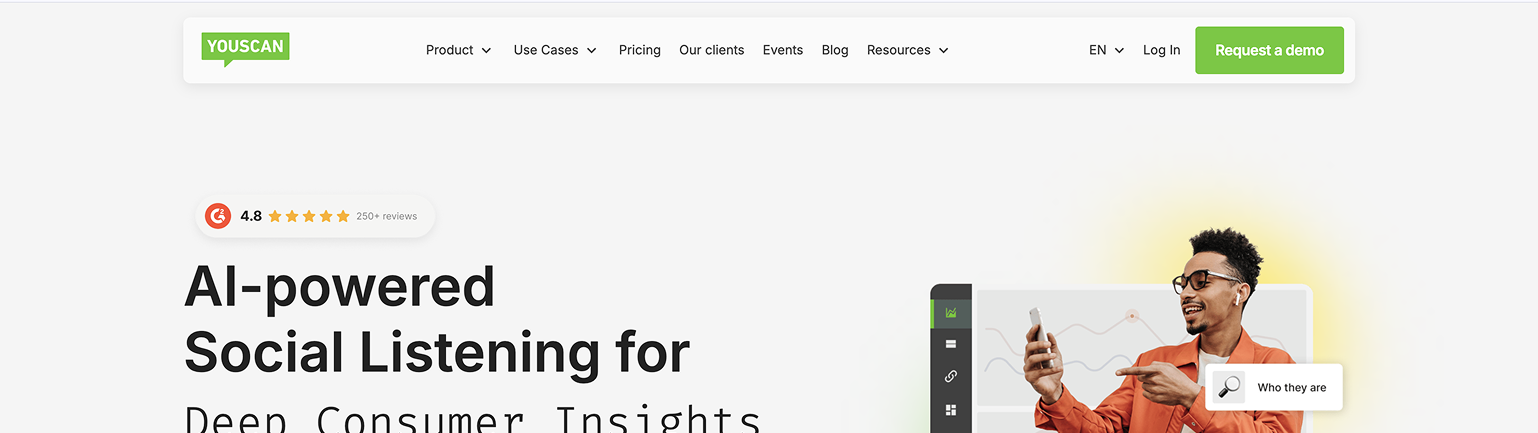
Its capabilities include sentiment tracking, competitor research, and aspect based analysis. Aspect based sentiment separates feedback into specific subjects, revealing that a customer may praise a product’s design but dislike its price. YouScan is especially relevant for consumer brands that depend heavily on visual social content.
9. Brand24
Brand24 provides real time online mention monitoring with sentiment classification and accessible reports. It categorizes mentions as positive, negative or neutral, displays changes over time, and alerts users when conversation patterns shift.
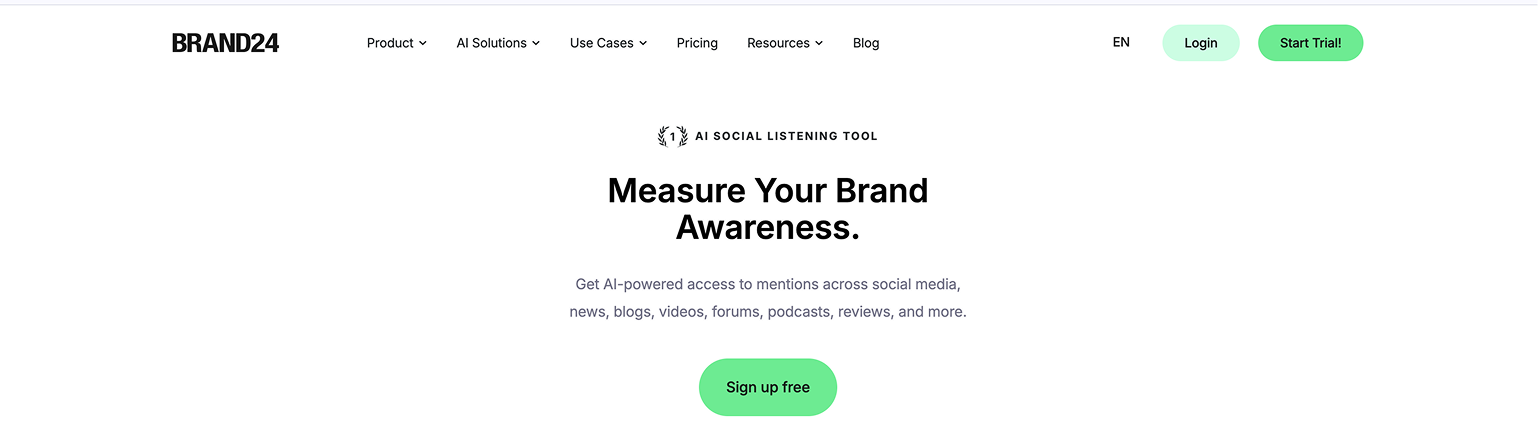
It is easier to approach than many enterprise suites, making it suitable for agencies and smaller marketing teams. Its dashboard can help users identify negative spikes, discover advocates and track customer opinion without building a complex research operation.
10. Thematic
Thematic analyzes unstructured customer feedback from surveys, reviews, and support data. It uses AI to identify themes and measure the sentiment connected with each topic.
This helps teams move beyond a single overall score and identify which product features, service stages, or recurring problems generate the strongest reactions. Thematic is useful when a business has plenty of qualitative feedback but lacks a consistent way to turn customer comments into clear priorities.
How to Choose the Best Sentiment Analysis Software
Begin with the conversations you need to understand. Social listening platforms are better suited to public discussions, brand reputation, and competitor analysis.
Voice of customer platforms are stronger when insight must come from surveys, support tickets, reviews, and call transcripts.
Look for topic or aspect level sentiment. A basic positive or negative label cannot explain which part of the experience caused the reaction. Multilingual accuracy, historical data, alert speed, integrations, reporting, and the ability to correct classifications should also influence your choice.
Test tools that have been shortlisted with your own content. The industry terminology, sarcasm, and regional expressions may yield different outcomes in a demonstration dataset.
The optimal platform will be one that is reliable in the language your customers actually use.
Turn Customer Sentiment Into Action With Media Watcher
Selecting a sentiment analysis tool isn’t just about recognizing positive, negative, and neutral sentiments; it’s also about picking the right tool. While knowing how to categorize conversations as positive, negative, or neutral is one thing, picking the right sentiment analysis tool is another.
Companies should know exactly what is driving customer sentiment, where it is coming from, and how quickly it is spreading.
Media Watcher provides marketing, communications, and customer insight teams with a broader view of audience perception across online news, social media, and digital conversations. It also provides real-time sentiment analysis, enabling businesses to gauge shifts in customer sentiment, pinpoint potential risks, and identify trends influencing brand perception.
Media Watcher is a multilingual monitoring tool with regional filters, built-in competitor tracking, customizable dashboards, and real-time alerts, making all kinds of conversations intelligently structured and actioned.
Sentiment can be tracked across markets, and market sentiment can be explored to understand why it has changed abruptly and how to respond before a potential reputation challenge arises.