

The internet observed that, one night before Bangladesh’s elections on February 12, 2026, social media quickly spread rumors and misleading information. The whole mess of disinformation caused confusion among the state’s residents.
Most old clips were reposted as “breaking” and fake news photos circulated claiming candidates had withdrawn or that the election was cancelled.
Then, deepfakes joined the party, too. In the final hours, the goal of much of this whole content was not persuasion. It was confusing, leading voters to doubt the process and make them stay home.
Additionally, all this mess was created to make institutions look slow and unsure.
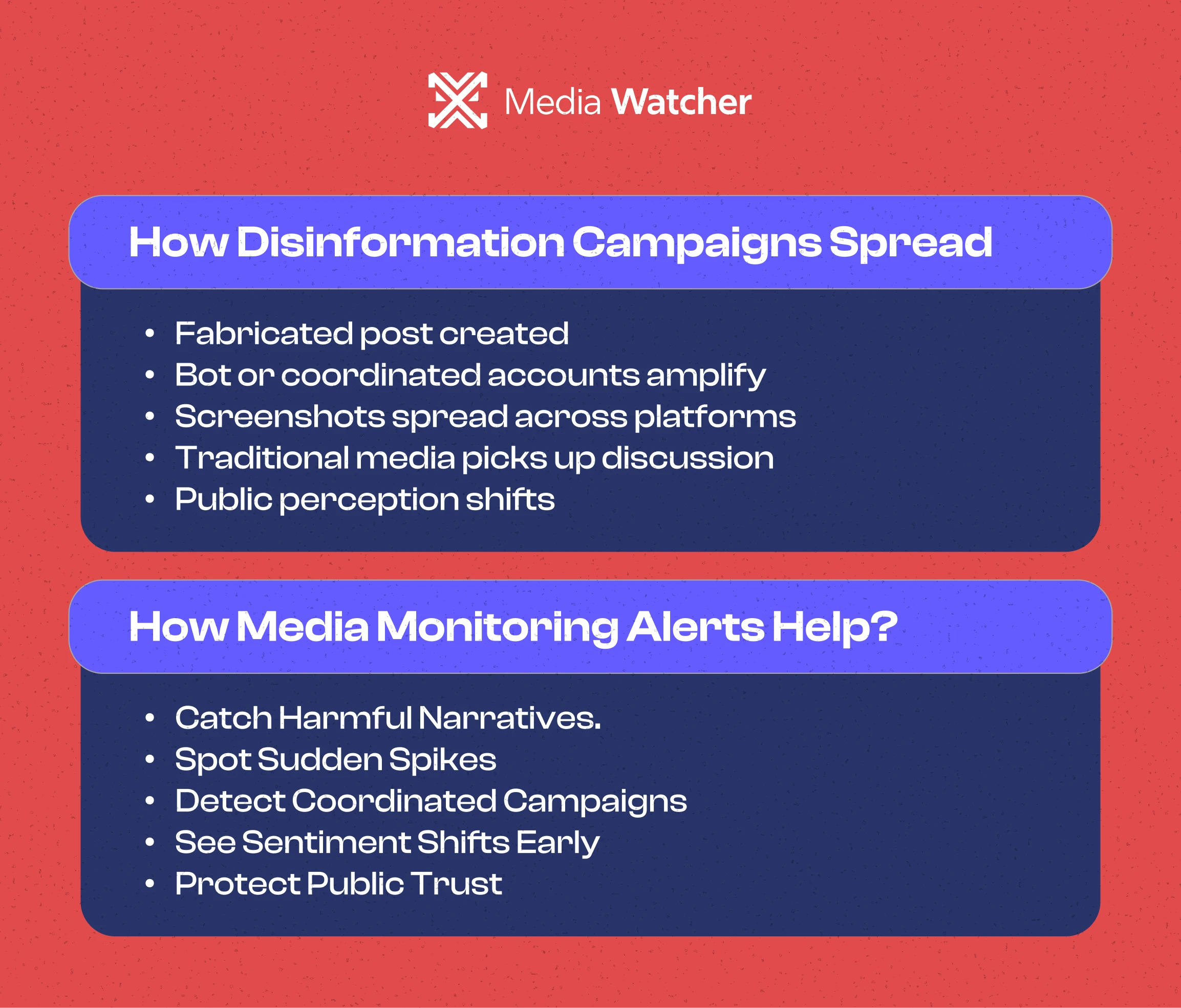
Thus, if you only follow one TV channel or check headlines twice a day, you would miss the real story. Because the story was not one headline, but was thousands of small narratives competing in real time. And that is exactly why media monitoring alerts matter.
Media Monitoring Alerts Explained
The term “media monitoring alerts” can be defined as a smoke alarm for public discourse.
You do not install a smoke alarm because you love hearing beeps, but because flames travel faster than boardroom decisions. Well alerts work the same way. They notify you the moment a risky narrative begins to build, before it becomes “common knowledge” and crowded.
Similarly, in an election or a fragile political moment, minutes matter and sometimes even seconds.
What made Bangladesh’s 2026 Election A Perfect Stress Test
Many media forums on the internet called it a key test of the country’s return to democracy, with a huge electorate, and that mix is exactly what disinformation feeds on.
AFP Fact Check described a coordinated surge of disinformation ahead of the vote, including sophisticated AI-generated images and campaigns that amplified claims about attacks on minorities. Bangladesh’s interim leader Muhammad Yunus publicly warned about a “flood of misinformation” and sought outside support.
Local news showed the details. Prothom Alo reported how fake photocards were made to look like they came from real news outlets, so that regular users would trust them.
The Daily Star reported “zombie content,” deepfakes, and fabricated photocards flooding Facebook and Telegram right before polls opened, including claims of ballot stuffing and election cancellation.
A key issue is that when many false stories spread, institutions face two challenges: either fight lies or act quickly.
Why and Who Needs Media Monitoring Alerts
Below are some of the main sectors who needs
1) Government Agencies And Election Bodies
For election commissions and public agencies, media tracking alerts protect legitimacy.
When false claims spread, such as “polls are cancelled” or “results are fixed,” the damage includes voter confusion and a trust deficit. Once people lose trust, even truthful announcements seem suspicious.
Alerts help election bodies do these practical things:
- Detecting voter suppression narratives early, which include claims about violence, polling closures, or intimidation, can spike fast and keep people home.
- Spot impersonation and fake “official” graphics. The Bangladesh example showed counterfeit cards that mimicked official formats and outlets. The alerts let you catch these early and coordinate takedowns and clarifications.
In essence, alerts help you stay the fastest credible voice in the room.
2) Political Parties And Candidates
Parties and candidates need these alerts to keep working effectively. In cases like the election, misinformation may include fake statements, recycled crime stories, fake endorsements, and content designed to frame opponents as violent or corrupt right before voting began.
However, real time alerts for media monitoring can assist political groups:
- Identify reputation attacks while they are still containable. Once a false story reaches “everyone has seen it,” your response becomes a debate. Early media alerts allow you to make corrections.
- Catch deepfakes and voice clones fast. The longer a deepfake circulates, the more people remember the emotion, not the correction.
- Prevent tactical chaos. Fake claims such as “candidate withdrew” can disrupt turnout, volunteers, and polling-day operations.
- Adjust messaging by region, so narratives do not spread evenly. Alerts tell you where sentiment is shifting so you can respond locally, not nationally and blindly.
Thus, if you are running a campaign without alerts today, you are basically bringing a spoon to a knife fight.
3) Critical Infrastructure Operators
- Rumors about power outages or “sabotage” can cause panic and overload systems.
- False claims of attacks can bring crowds to sensitive sites.
- Coordinated narratives can inflame communal tensions, creating operational disruptions and safety risks for staff.
Bangladesh’s election environment showed how quickly online claims about violence and legitimacy can surge. When unrest risk rises, infrastructure becomes both a target and a pressure point. However, alerts help infrastructure teams:
- Detect early signs of escalation in specific locations before they become operational incidents.
- Coordinate with government and local partners using shared evidence, not screenshots from someone’s uncle’s WhatsApp.
- Protect employee safety through earlier route planning and staffing decisions.
Therefore, for infrastructure, alerts are business continuity.
4) Embassies And International Organizations
Embassies and international organisations rely on media monitoring real-time alerts for one simple reason, that is delay information means delayed protection.
When political situations shift, narratives can turn fast. Foreigners, aid workers, observers, and diplomatic missions often become targets before anyone has had a chance to react. Also, disinformation frequently impersonates “international statements” to add credibility.
Alerts help embassies and international orgs:
- Have real-time situational awareness beyond official briefings.
- Protect credibility by quickly flagging fake quotes and false claims attributed to your organisation.
- To support observation and peacebuilding efforts, focus on the underlying stories rather than just the events themselves.
What Should Your Alerts Watch For In An Election Like This?
A strong alert setup usually tracks:
- Election integrity claims that include cancelled polls, rigging, ballot stuffing, and results leaks.
- Violence and intimidation narratives that include “attacks happening now” content, especially if it spikes suddenly.
- Minority targeting narratives, which means identity-based claims are designed to inflame fear or trigger retaliation.
Therefore, this is not about monitoring everything. It is about monitoring the narratives that create real-world consequences.
Where Media Watcher Fits In
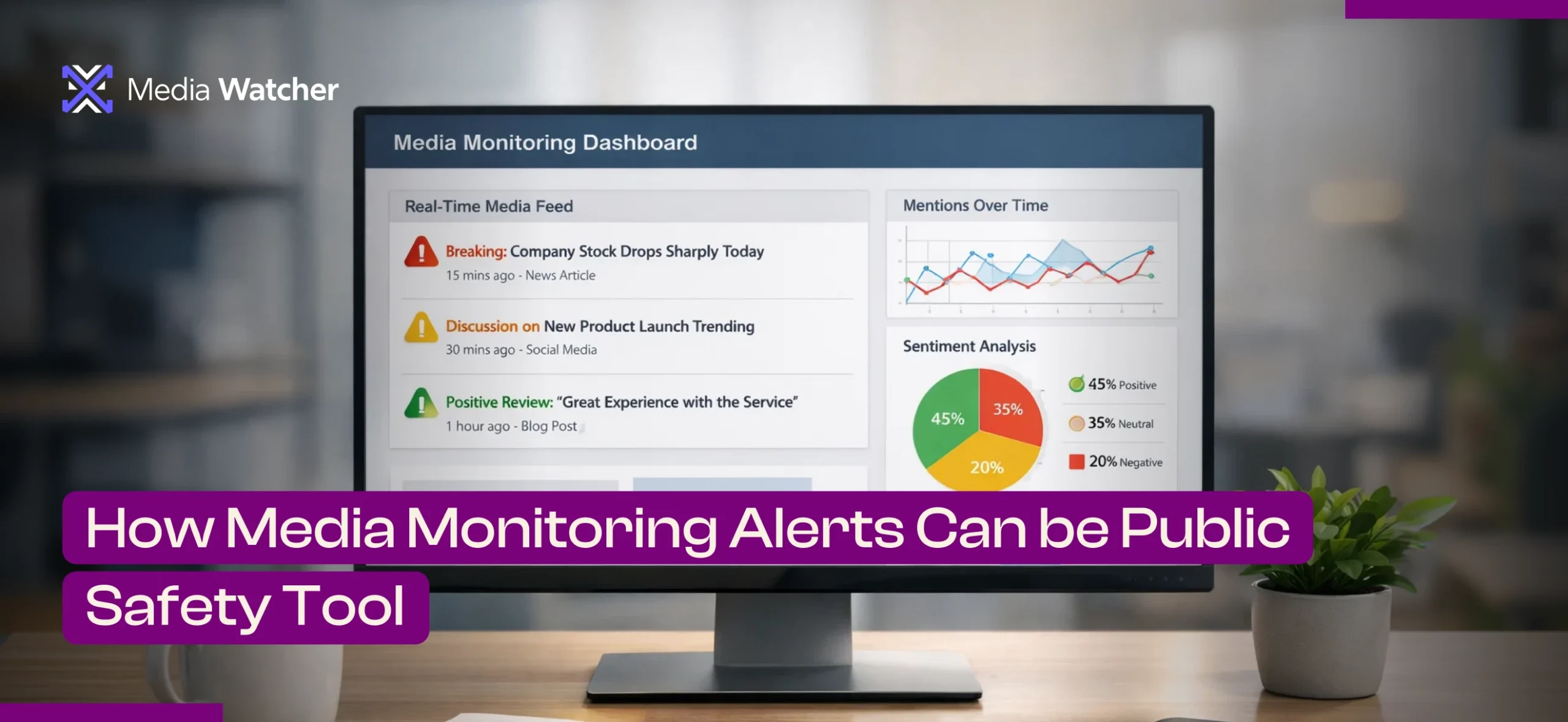
When events move fast, you need alerts that are built for velocity, and Media Watcher’s media alerts are designed for exactly that.
The tool assists teams in setting up alerts for mentions, sentiment changes, and sudden spikes in media coverage. It then delivers through channels teams are already using, such as email or direct API integration.
Coverage breadth matters too. Media Watcher pulls from over 100,000 sources across 80+ languages and 235 regions, and alert delays are minimal even at that scale.
In high-stakes situations, alerts are essential, especially in protecting elections, keeping diplomatic staff informed, and managing public safety incidents.
The difference between reacting and actually getting ahead of a story often comes down to how fast alerts reach the right people.
And in 2026, reacting is just responding with extra stress and worse screenshots. Contact Media Watcher today!