



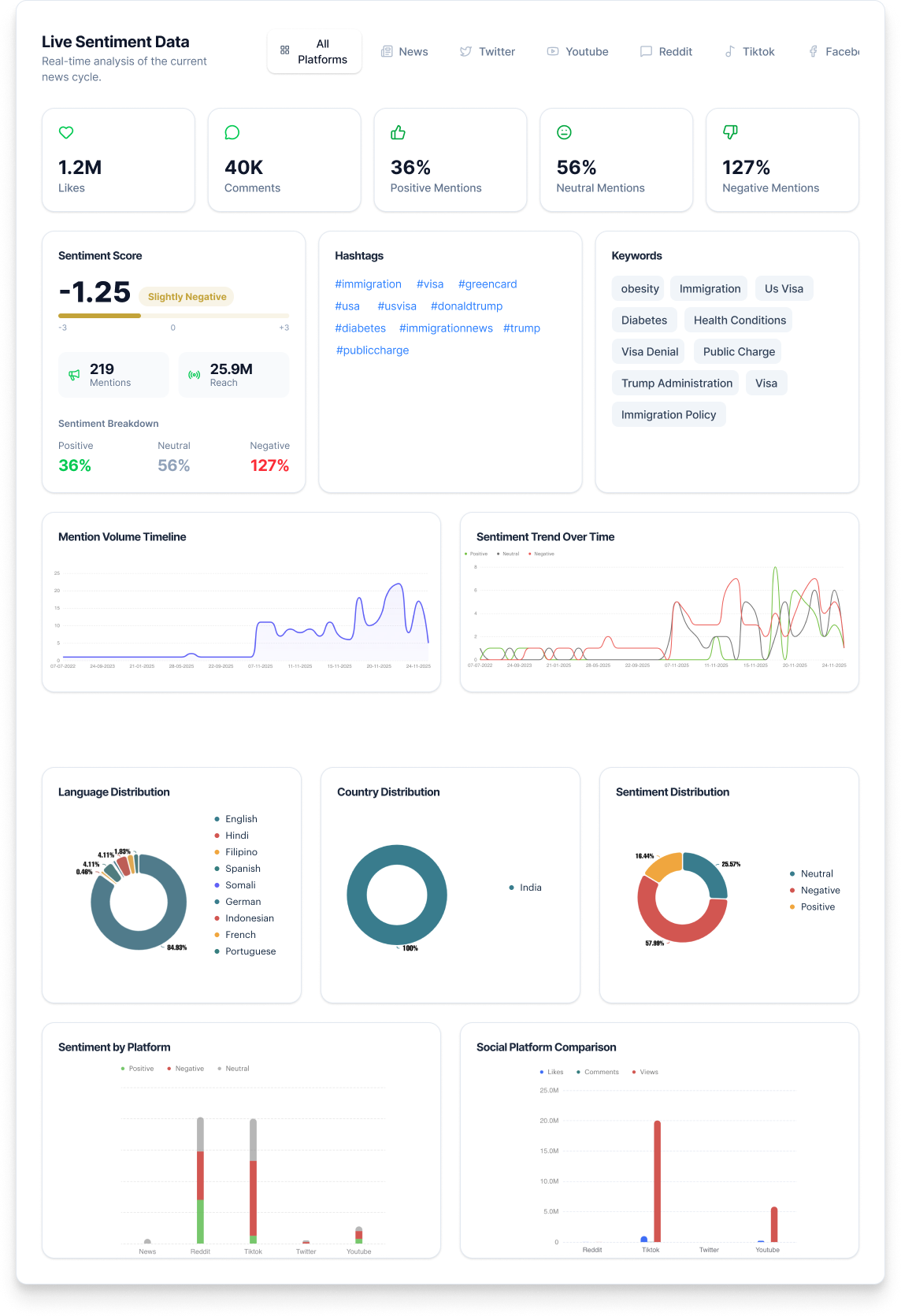
The public charge rule has led the U.S. State Department to broaden the visa inadmissibility grounds, such that applicants with obesity, diabetes, or heart disease may be denied on the basis that they are likely to pose substantial healthcare burdens. The responses of various groups are strongly polarized: policymakers and taxpayers consider the rule a responsible step that will safeguard the public resources and health, whereas advocacy groups and vulnerable populations regard it as unfair, discriminatory, and counterproductive. In all debates, it is a complex of economics, morality, and human effects, which makes it more complicated to track the mood than to predict the inflation rates in the coming year.
Policy Advocates and Critical Voices Around the U.S. Visa Health Policy
Proponents of the policy place more focus on financial accountability. They state that chronic diseases have foreseeable, long-term expenses, and the American healthcare system cannot sustain extra liabilities.
Proponents frame it as aligning with longstanding public charge rules, emphasizing fiscal responsibility:
“Immigrants should not become primarily dependent on public benefits.”
These rules are, conversely, discriminatory and punitive to the critics. They cite the fact that applicants in the developing countries are more prone to this, which is often a socioeconomic factor rather than lifestyle. Such voices are warnings that the use of chronic illness as a glimmer to refuse entry is the continuation of stigma and can disenfranchise those who need medical help the most.
What Media Watcher Data Reveals About Polarized Sentiment on U.S. Visa Health Policy
So let’s look into how exactly the public is responding to the new visa policy of the Trump regime.
After the ambivalent response to these controversial rules, Media Watcher examined sentiments on various platforms.
The reaction to the new Visa health policy shows a sentiment score of -1.25, which indicates a slightly negative change and reflects an imbalance in societal discussion. Negative sentiment has 127% more weight than positives, with the bulk holding 56% of the volume as neutral and 36% positive shares. This pattern persists consistently across platforms, showing an extreme divide in how audiences weigh economic, health, and equity concerns.
It resembles political approval trends that a single harsh data point would not move the needle, but a consistent run of skeptical reactions steadily drags the average downward. In this case, it is the emotional gravitas of the criticism due to fairness that causes the score to enter the negative territory, despite a smaller segment of the population still viewing the policy through the economic prism.
Online discussion analysis indicates that negative responses are more emotionally intense, especially among human rights organizations and health leaders. The lack of clear implementation details further increases the volatility, with the stakeholders arguing about which screenings will be used and whether the criteria will be the same or fair. Some other major concerns are given below:
Economic Issues: The proponents perceive cost-restriction as a goal; each refused visa is a possible healthcare savings.
Equity and Ethics: Critics emphasize equality and the risk of institutional bias. Inequality in health does exist, and it ought to be reflected in policy.
Transparency and Action: The absence of transparency creates doubts and fears regarding the unequal practice.
Global Impact: Critics note that developing countries are disproportionately affected, as chronic illnesses are more prevalent because of circumstances beyond personal control.
Trends and Effects Under the U.S. Visa Health Policy Debate
When zooming, one can see a couple of patterns. Both groups understand that the cost of healthcare is increasing. The proponents of the policy make it sound like a logical, administrative protection. The opponents put it as a social and ethical problem, which questions the justice and human dignity.
Historical precedents indicate that visa restrictions on health grounds are mostly controversial, particularly when they overlap with humanitarian issues. Public debate will continue to be polarized, and sentiment will soar when the content of the rule is explained or misunderstood. To bridge these insights on polarized reactions, media monitoring tools offer real-time, multilingual sentiment analysis worldwide.
Media Watcher’s media monitoring tool delivers real-time sentiment analysis to track reactions to visa policy worldwide. Multilingual sentiment analysis captures the voices of regions affected by chronic health issues, revealing economic vs. equity divides. It helps analysts spot trends as implementation details shape global immigration views.
Contact the Media Watcher team and book a free demo today!